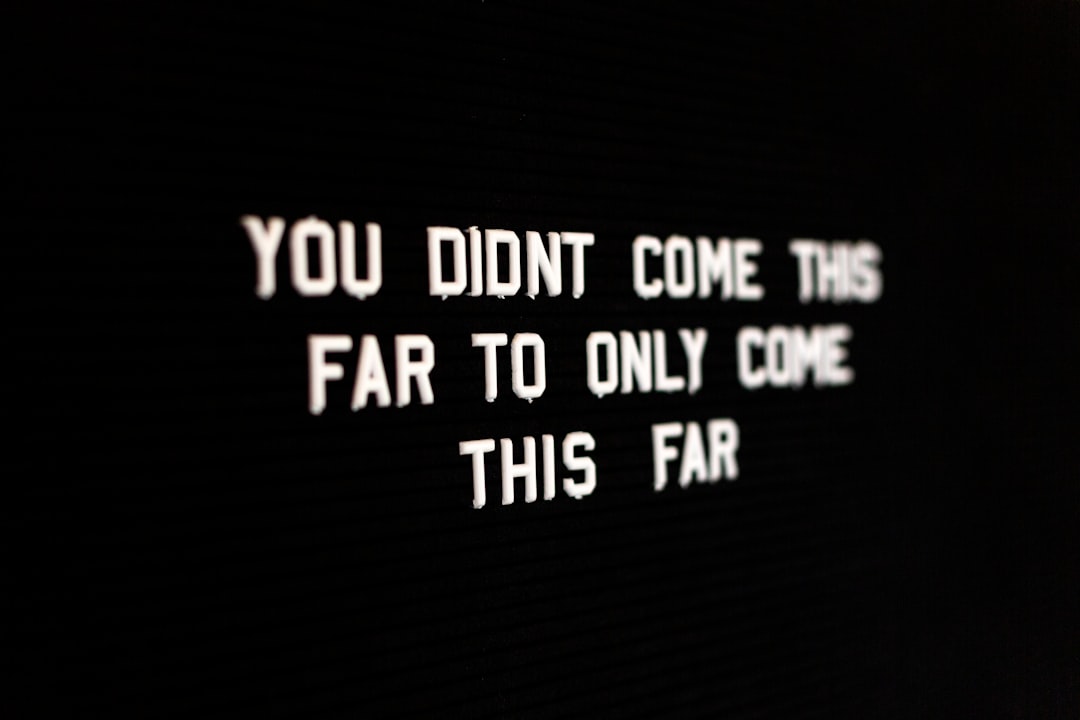
Investor quotes work because they compress decades of experience into one sharp line. For creators, publishers, and brand teams, that makes them one of the highest-trust forms of writing tools for creatives you can use: fast to repurpose, easy to format, and naturally persuasive when the audience wants credible financial insight. In this guide, we’ll turn the best investor quotes into repeatable storytelling frameworks that scale across quote cards, threads, short video scripts, and newsletter blurbs.
This is not a list of “inspiring sayings.” It is a practical content system for investor-ready content, built for creators who need consistent output without sacrificing authority. You’ll learn how to transform a single quote into ten post formats, how to group the top 100 investor quotes into themes, and how to maintain brand voice while using timeless lines from Warren Buffett, Charlie Munger, and other legendary investors.
Pro tip: If you publish financial content, the fastest way to improve trust is to pair a strong quote with a simple explanation of what it means in practice. Credibility comes from clarity, not complexity.
Why Investor Quotes Still Win in Social Media Feeds
They signal expertise instantly
Financial audiences are skeptical by default. They’ve seen hype cycles, hot takes, and low-value reposts, so any content that feels generic gets ignored quickly. Investor quotes work because the source itself does part of the trust-building for you. A line from Warren Buffett or Charlie Munger carries decades of reputation, which makes the post feel more like insight than opinion. That trust signal is exactly why quote-led content is still strong in carousels, newsletters, and LinkedIn posts.
For creators building authority, investor quotes can also act as a bridge between education and persuasion. You are not asking readers to believe you from scratch; you are using a recognized voice to frame the lesson. That makes them especially effective in content ecosystems that already depend on trustworthy microcopy, similar to the approach used in mindful money research and analyst-led credibility.
They are modular by nature
A great investor quote can be reused dozens of ways because the meaning is broader than the wording. “Risk comes from not knowing what you’re doing” can become a quote card, a short thread, a 30-second video script, or a newsletter blurb. This makes investor quotes ideal for content repurposing because the same idea can be adapted to different audience behaviors and platform formats without becoming repetitive. In practical terms, one strong quote can become a full content cluster.
That modularity matters most when teams are trying to publish consistently with limited time. It’s the same logic behind receiver-friendly sending habits and micro-answer design for discoverability: the job is not to create more noise, but to create more useful variations from the same core idea.
They perform well because they are concise and shareable
Social platforms reward content that is easy to scan, quote, save, and repost. Investor quotes naturally fit that behavior because they are short enough for mobile attention spans and deep enough to invite commentary. When paired with clean design, they also become ideal for quote cards and static visuals. If you want more distribution without writing from scratch every day, quote-led content gives you a reliable baseline.
This is also why quote-led content works well in promotion-heavy environments. In tight-budget moments, audiences want signals they can trust quickly. A short, principled quote can outperform a long promotional paragraph because it feels educational first and promotional second, which aligns well with content that converts when budgets tighten.
The Top 100 Investor Quotes: How to Curate Them into 10 Content Buckets
Bucket 1: Risk and uncertainty
The most useful investor quotes on risk are not dramatic; they are diagnostic. Buffett’s “Risk comes from not knowing what you’re doing” is powerful because it reframes risk as a knowledge problem. That idea can anchor content for beginner investors, founders, and creators making decisions under uncertainty. When you curate quotes into a risk bucket, you can build a recurring series around decision quality instead of market drama.
Use this bucket to teach audience members how to avoid impulse decisions, overtrading, and fear-based behavior. If you want to expand this into a more practical financial angle, connect it to sector rotation signals or hidden costs in flips, where the “risk” lesson becomes much more concrete.
Bucket 2: Patience and compounding
Many of the best investor quotes are really patience lessons in disguise. Buffett’s “Our favorite holding period is forever” and “The stock market is a device for transferring money from the impatient to the patient” both work because they make time itself part of the strategy. This bucket is ideal for long-form captions, newsletter openers, and carousel slides that explain why good outcomes often look boring in the short run.
Creators can use this bucket to counter the “instant result” mindset that dominates social media. A quote about compounding is especially valuable when paired with examples from business, audience growth, or content reuse. In other words, the same post can teach investing patience and content patience at once.
Bucket 3: Quality over price
Quotes like Buffett’s “It’s far better to buy a wonderful company at a fair price than a fair company at a wonderful price” are excellent for teaching quality filters. They also map cleanly to creator economics: better templates, better sources, better visuals, better distribution. A cheap shortcut that repeatedly fails is more expensive than a higher-quality system that compounds.
This bucket is useful for posts about choosing assets, partners, tools, or content inputs. For example, it pairs naturally with strategic partnerships without losing control and vendor comparison frameworks, because the theme is the same: don’t optimize only for price when quality drives long-term return.
Bucket 4: Discipline and emotional control
Investor quotes about discipline resonate because markets punish emotional inconsistency. This bucket includes lines about avoiding greed, staying rational, and controlling behavior during volatility. These are high-performing because they give readers a lens for self-management, not just finance. For creators, they also offer an easy way to talk about workflow discipline, publishing consistency, and brand voice consistency.
That makes this bucket especially strong for email intros and daily LinkedIn content. You can connect it to operational content systems such as prompt literacy programs and in-house ad platform scaling, where the underlying principle is repeatable decision-making.
Bucket 5: Opportunity and downside protection
Many legendary investors emphasize avoiding ruin before chasing upside. This bucket is useful for content about margin of safety, capital preservation, and smarter downside analysis. It’s also one of the strongest angles for professional audiences because it offers a sober alternative to hype. Readers trust creators more when they demonstrate they understand both the upside and the downside.
For practical framing, this bucket can be paired with de-risking deployments or response playbooks for bad outcomes. The lesson is universal: strong strategy reduces catastrophic errors before they happen.
10 Repeatable Social Templates for Investor Quotes
The goal is not simply to repost quotes. The goal is to turn each quote into a content asset with a specific job: educate, attract, convert, or retain. Below are ten reusable templates you can apply to the top 100 investor quotes. Each template works across quote cards, threads, short videos, and newsletter blurbs, so one quote can power an entire content calendar.
| Template | Best Use | Format | Example Hook | Why It Works |
|---|---|---|---|---|
| 1. Quote + Plain English | Beginner education | Card / caption | “Buffett said risk comes from not knowing what you’re doing. Here’s what that means today.” | Makes complex wisdom instantly usable |
| 2. Quote + 3 Takeaways | LinkedIn / thread | Thread | “Charlie Munger’s best lesson? Avoid stupidity before chasing brilliance.” | Creates structure and skimmability |
| 3. Quote + Creator Lesson | Brand building | Newsletter blurb | “The market rewards patience; so does audience growth.” | Connects finance to content operations |
| 4. Quote + Contrarian Reframe | Engagement | Short video | “The biggest investing risk isn’t volatility. It’s ignorance.” | Stops scroll with a sharper angle |
| 5. Quote + Example | Trust building | Caption | “Buying quality at a fair price beats buying cheap and regretting it.” | Turns principle into real-world decision-making |
| 6. Quote + Checklist | Utility content | Carousel | “Before you invest, ask these 5 questions.” | Gives readers a save-worthy tool |
| 7. Quote + Myth Bust | Authority | Thread / video | “Investing is not about constant action.” | Challenges common bad advice |
| 8. Quote + Story | Retention | Newsletter | “I used to chase noise until one Buffett line changed my approach.” | Adds personal relevance |
| 9. Quote + CTA | Conversion | Post / bio link | “Want ready-made investing captions? Start here.” | Moves attention to action |
| 10. Quote + Series Prompt | Consistency | Content series | “Investor Quote of the Day: patience edition.” | Makes publishing repeatable |
Template 1: Quote + Plain English
This is the cleanest format and the easiest to scale. Start with the quote, then translate it into one sentence of plain-English meaning. This format is excellent for quote cards because the image does not need much text, and the caption only needs enough context to make the lesson actionable. A creator can build an entire month of posts from a library of 20 quotes using this approach.
Example: “Risk comes from not knowing what you’re doing.” Translation: If you understand the business, the risk is lower than the headlines suggest. This is the same principle behind keeping messaging understandable in other contexts, like calm AI co-pilots and not applicable—simple language builds confidence. Use this format when your audience is broad and your goal is clarity.
Template 2: Quote + 3 Takeaways
Threads and LinkedIn posts perform better when the reader can see progression. Take one quote, then extract three practical takeaways. This format works especially well for investors, founders, and operators because it feels structured without becoming too academic. It also gives your audience multiple entry points into the same idea, which improves saves and shares.
For instance, a Charlie Munger quote about avoiding stupidity can become: 1) reduce mistakes, 2) focus on quality inputs, 3) avoid overcomplicating simple decisions. This structure echoes the logic of assessment design: if you can show real understanding in three steps, the audience trusts you more than if you simply repeat a famous line.
Template 3: Quote + Creator Lesson
This template is the best fit for financial content creators who want to bridge investing and content marketing. The post begins with an investor quote, then shifts to a lesson about publishing: consistency, quality, patience, or risk control. It works because the audience can immediately apply the principle to both money and media. That dual-use nature makes the content feel richer and more original.
Example: “Our favorite holding period is forever” becomes “Great content should compound too.” A single quote can remind readers that strong ideas do not need endless reinvention. If you’re building an editorial system, use this template alongside brand brief listening parties or enterprise content workflows to keep production consistent.
How to Build a Quote Card System That Saves Hours
Choose 10 quote themes before you design anything
Most quote-card libraries fail because the creator starts with random inspiration instead of a system. Begin by organizing the top 100 investor quotes into ten themes: risk, patience, quality, discipline, long-term thinking, behavior, concentration, margin of safety, simplicity, and opportunity cost. Each theme becomes a content folder, and each folder becomes a repeatable design style. This reduces friction and makes production faster.
Once the themes are set, batch your visuals. Use one typography system, one card ratio, and one brand color family. This is how you create a recognizable series rather than a pile of disconnected graphics. The same principle shows up in shelf-to-thumbnail design: strong packaging is repeatable, not random.
Use one quote, one idea, one outcome
Every quote card should communicate one idea only. If you try to squeeze in multiple lessons, the design gets crowded and the caption becomes hard to digest. Instead, let the quote do the emotional work and the caption do the interpretation. This creates a cleaner reading experience and makes the content more shareable.
For example, if you use Buffett’s quote about patience, the outcome you want is not merely agreement. You want the audience to think differently about time, compounding, and noise. That means your caption should be short, pointed, and aligned with the result you want, the same way strong publishing systems in writing tools and snippet optimization prioritize one clear answer.
Make the card useful enough to save
The best quote cards are not just pretty; they are functional. Add a takeaway line, a source line, or a small prompt that helps the reader reflect. Posts that feel useful are more likely to be saved, shared, and revisited later. That matters because “save-worthy” content is often the difference between a post that gets seen once and a post that keeps working.
To improve utility, add labels like “Why it matters,” “Use this when,” or “Avoid this mistake.” These small signals transform a quote card from decoration into a mini learning asset. If your audience is highly commercial, this can support conversion-focused content without sounding salesy.
Thread, Video, and Newsletter Adaptations That Multiply Reach
Thread format: one quote, five beats
The best investor quote threads follow a simple rhythm: hook, quote, interpretation, example, close. This gives the audience a clear narrative arc and prevents the thread from feeling like a pasted screenshot collection. Use the first post to frame the tension, the second to deliver the quote, and the next three to expand the meaning. Finish with a question or CTA that invites replies.
For example, a thread about Buffett’s “wonderful company at a fair price” can move from “cheap is not always smart” to “quality compounds” to “here’s how to identify quality” to “here’s a mistake I used to make.” This format creates depth and also gives you a reusable publishing structure for future quotes. It’s the same kind of repeatable logic used in competitive brief automation and prompt literacy curricula.
Short video script: hook, quote, unpack, close
Short-form video should keep the quote moving. Open with the problem, speak the quote on-camera, explain it in plain language, and end with a practical takeaway. The script should feel conversational, not formal. A strong video version of an investor quote sounds like advice from a calm, experienced operator, not a lecture.
Example: “The stock market transfers money from the impatient to the patient. Translation: if you keep reacting to every headline, you pay for your emotions. The edge often belongs to people who can sit still.” This style works well because it fits modern attention patterns while still sounding smart. It is also consistent with audience trust tactics used in influencer newsroom behavior and trust communication.
Newsletter blurb: quote first, lesson second, action last
Newsletter readers prefer slightly more context than social followers. Use the quote at the top, then write a short paragraph about why it matters now. End with one actionable sentence or question. This format works because it respects the reader’s time while still delivering a meaningful takeaway. It also helps your newsletter feel curated rather than generic.
For editorial teams, this is where content repurposing becomes powerful. A single quote can become a quote card, a newsletter intro, a thread, and a short video—each one tailored to a different platform. That level of reuse is especially effective if your brand also publishes practical systems content like not applicable or investor-ready content workflows.
Choosing the Right Investor Quotes for Different Audience Goals
For beginners: use risk, patience, and simplicity
Beginners need quotes that reduce anxiety, not increase it. Prioritize lines about risk being tied to ignorance, the importance of patience, and the value of simple decision-making. These quotes are best for quote cards and explainers because they do not assume advanced knowledge. They help the audience feel oriented instead of overwhelmed.
When in doubt, avoid quotes that are too abstract or too insider-heavy. The goal is to create an on-ramp, not a test. If you need a reference point for simplifying complex systems, look at approaches from smart monitoring and low-power device design: the best systems reduce friction.
For advanced audiences: use capital allocation and opportunity cost
More sophisticated readers respond to quote sets about capital allocation, portfolio discipline, and opportunity cost. These readers are usually less interested in generic inspiration and more interested in nuance. They appreciate posts that make them think differently about tradeoffs, not just market behavior. This is where your curation should get sharper and more selective.
A quote about buying a wonderful company at a fair price can become a deeper post about why valuation is not the only variable that matters. Add an example from business, creator economics, or ad spend to make the lesson concrete. Advanced audiences often reward content that behaves like a comparison framework rather than a pep talk.
For creators and publishers: use quotes that map to systems
If your audience includes content teams, the best investor quotes are the ones that map cleanly to production systems: consistency, quality, patience, and avoiding unnecessary complexity. These work well in editorial calendars because they support both editorial and commercial goals. You can frame the quote as a lesson for investing, then link it to publishing discipline or brand consistency.
That makes your content feel more like a practical toolkit than a generic finance post. It also aligns with the needs of teams that want to scale without hiring more writers every week. For more on aligning systems and communication, see not applicable and receiver-friendly sending habits.
Editorial Guardrails: Make Investor Quote Content Feel Trustworthy
Always verify attribution and context
Some investor quotes are misattributed, shortened, or repeatedly recycled without context. If you care about trust, don’t publish a quote unless you are comfortable with the attribution and meaning. When possible, use the original wording and avoid overclaiming what the quote proves. A good quote can lose power if the audience suspects it is fake or cherry-picked.
This is where quote curation becomes more than design. It becomes editorial responsibility. For teams building authority, trust is part of the product, just like it is in response playbooks and snippet-ready writing.
Don’t turn every quote into hype
Investor quotes are strongest when they feel measured and sober. If you add too much urgency, too many exclamation marks, or too much sales language, you weaken the authority signal. Financial audiences can detect performative motivation quickly. The best tone is calm, useful, and precise.
This also means your visuals should support the message, not compete with it. Use clean layouts, restrained color choices, and typography that feels editorial rather than loud. If you need inspiration for converting design into performance, look at product content design and thumbnail packaging lessons.
Pair every quote with a use case
A quote without a use case can feel abstract. A quote with a use case becomes useful. Add small cues like “use this when the market feels noisy,” “use this before buying a trend,” or “use this in a founder memo.” These small additions turn curation into application. Readers are far more likely to remember a quote when they know when to use it.
This principle is also why strong content systems often include prompts, examples, and routines. It helps the audience take action rather than simply consume. That same logic appears in assessment design and micro-answer optimization: context increases usability.
Implementation Plan: Turn 100 Quotes into 30 Days of Posts
Week 1: curate and tag
Start by extracting your top 100 investor quotes into a spreadsheet with columns for author, theme, platform fit, emotional tone, and content angle. Tag each quote under one primary bucket and one secondary bucket. This makes it much easier to batch later because you are no longer staring at a blank page; you are choosing from a mapped inventory. The upfront organization pays for itself immediately.
If you run a content team, assign one person to quote sourcing, one to fact-checking, and one to adaptation. That division is especially important if you want to scale without losing quality. Similar workflow discipline shows up in automated competitive briefs and developer-style system design.
Week 2: build the template library
Create ten master templates and save them in your design tool, document editor, or social scheduler. Each template should have placeholders for the quote, interpretation, source, CTA, and design notes. Once these are built, publishing becomes a matter of substitution rather than creation from scratch. That is where the real time savings happen.
You can also localize by audience. One template may be best for LinkedIn, another for Instagram quote cards, another for newsletter intros. If you publish across markets, this is where localized marketing lessons become relevant, because tone and context matter even when the source material is the same.
Week 3 and 4: batch, schedule, and review
Batch production into one or two sessions and schedule the content in advance. This cuts down context switching and makes your brand voice more consistent. After publishing, review engagement by format, not just by quote. You may find that threads outperform cards, or that newsletter blurbs drive stronger replies than static visuals. The data should shape future curation.
That review process mirrors the way creators and operators should evaluate any repeatable system: compare performance, look for patterns, and refine what the audience actually responds to. If you want another model for this kind of iterative thinking, study not applicable and investor-ready content workflows, where structured inputs produce stronger outputs.
FAQ
How many investor quotes should I use in one post?
Usually one. A single quote is easier to understand, easier to design, and more likely to be remembered. If you need to compare ideas, use a thread or carousel instead of crowding one post with too many lines.
Are Warren Buffett and Charlie Munger quotes enough for a whole content strategy?
They are a strong foundation, but not enough by themselves if you want variety and reach. Use Buffett and Munger as anchor sources, then expand into other legendary investors and theme-based quote curation so your content does not feel repetitive.
What is the best format for investor quotes on social media?
Quote cards work well for quick consumption, but threads and short videos often create more engagement because they add interpretation. The best format depends on your goal: use cards for saves, threads for depth, and video for reach.
How do I make quote content feel original?
Add interpretation, use cases, and a creator-specific lesson. Do not stop at reposting the quote. Explain what it means, why it matters, and how the audience can apply it today.
Can investor quotes help sell products or services?
Yes, if you connect the quote to a practical outcome. For example, a quote about patience can support an offer about long-term strategy, while a quote about quality can reinforce a premium product position. The key is relevance, not forced sales language.
Conclusion: Build a Quote Engine, Not a One-Off Post
The real power of investor quotes is not that they sound smart. It’s that they can be structured into a reliable publishing engine. When you group the top 100 investor quotes into themes and pair them with ten reusable content templates, you get a system that is fast, credible, and endlessly adaptable. That system helps creators publish financial wisdom consistently without sounding repetitive or generic.
If you want to scale smarter, think in templates, not one-offs. Treat each quote as a source asset, each template as a publishing format, and each post as part of a larger trust-building strategy. For more ways to build stronger content operations, explore writing tools for creatives, brand storytelling frameworks, and brand brief workflows.
Related Reading
- How to Use PIPE & RDO Data to Write Investor‑Ready Content for Creator Marketplaces - Learn how structured data can strengthen financial content authority.
- Partnering with Analysts: How Creators Can Leverage theCUBE-Style Insights for Brand Credibility - A practical credibility playbook for expert-led publishing.
- Writing Tools for Creatives: Enhancing Recognition with AI - See how AI-supported writing workflows save time without losing voice.
- Humanizing a B2B Brand: A Storytelling Framework That Actually Converts - Turn authority into readable, memorable brand content.
- Design Micro-Answers for Discoverability: FAQ Schema, Snippet Optimization and GenAI Signals - Improve how concise content gets discovered and quoted.